Showing posts with label #ITIL. Show all posts

Thursday, June 9, 2011

Startups vs.best practices... can't we all just get along?

Transitioning from CIO to CEO has been an interesting move for me.  This is not my first time as a CEO, but my role as CEO of Vigilant was short, and Vigilant was an IT services company, so it was still chief of IT services.  However, as much as I dog on ITIL, CObIT and other industry frameworks for being too esoteric and vague, I always have appreciated and applauded the principles and intents.  As SMAK has launched from thought to design to code to hardware, my experiences and training in lifecycly management has served me well.   Our Strategy phase quickly incorporated what our resources and capabilities could be, would be, and should be.  Since I have the unique opportunity to start this IT operations from scratch, I wanted to get our LifeCycle management clear and correct from the start.

Just because we are a lean startup doesn't mean we need to run in chaos.  I certainly am not going to cast all hard lessons learned in the trash.  I know that if a disparate development team is not given a solid and stable platform for code migration, our IT ops will be a mess.  My ITIL students and past clients have heard this expression a million times from me.  If you want to cleanse the pond, you must clean the streams that feed it.  In other words, if you want a clean IT operations platform, you must have solids standards and architectures in place for all involved to work from.  Breaking down the DEV/QA/UAT/Prod barriers is a challenge.  Typically it is based on rights and security.  Access control can be a nightmare and causes much of this angst.  By setting up boundaries and protocols up-front, the streams will stay clean and the pond will be a source of value.

So here is my strategy straight out of SMAKs operation guide on how I plan to allow autonomy and control co-exist.

User Setup and Configuration:

To secure the environment we will utilize a strategy of layered access to systems. Each environment will utilize the same set of layers with a name denoting their environment.

To gain physical access to systems (keyboard, SSH, Remote windows) there will be a user created.
Once physical access is gained you will need to change user or run-as a user with rights to access either system settings / application data (php, xml files / database settings / database information.
Access controls are organized in to functional groups based on assetts. Asset types fall into 5 categories:
Production – Production environment with real users and customers. Needs to exhibit high service warranty.
Demo – Production+ build version of our site with fake data that we will use for demonstration at events, webinars, and other marketing events. (Production+ means at least production vesion with potentially new features to demonstrate functionality)
UAT – User Acceptance Testing Environment– QA Build version signed off on by production release team for Security; Availability; Performance testing. Now awaiting user interaction; regression; usability and design; product marketing sign off.
QA – Quality Assurance Environment – Build version that has been signed off by development team and gone through integration testing. Testing in this environment will focus on Functionality; Security; Performance; Availability; Installation; Recovery. Training to production release team will happen at this build stage. Sign off by Product Management.
Dev – Development Environment – Dynamic build versions be created in this environment with 2 core focus areas

  1. InnoDev - New product development focused on publishing new feature sets and requirements from Product Marketing team.
  2. ProbDev – Problem Management environment focused on production snapshots for replicating issues found in production.

The following table lists the usernames:  {obviously cleansed and changed for security purposes}  Key here is to create naming conventions that make it ease for each lifcycle to be identified and controlled.  This will make it a lot easier with building RACI models in your CMS map.
User Type Production User Name Demo User Name UAT User Name QA User Name Dev User Name
Group Name


Enterprise Cloud Administration


Access User


System Admin


Application Administration


Database Administration


Data Access User
(can see datapoint for customer information)


Customer Service Access
(access to configuration and registration info)


Thursday, July 29, 2010

ITSM Weekly the Podcast (Week23) -Women in Tech Series Guest Speaker: Lisa Rowe & Neil Thomas

There is no doubt that IT has been a male dominitated industry.  This month we focus our attention on females who have made a real impact to the IT industry, both through their place within volunteer organizations, as well as within the corporate scene.

To kick off the series we have invited Lisa Rowe on our show.  You'll love Lisa's frank discussion of the "gender debate", and take away some great tips about career development.

Our other special guest is Neil Thomas, who will be heading up the ITSM Weekly the Podcast UK version.

Great show notes are here as always: Plus links to our sponsor of the Women in Technology series Hornbill
http://www.servicesphere.com/blog/2010/7/12/itsm-weekly-the-podcast-week-23.html


ITSM Weekly The Podcast (Week 23) from ServiceSphere on Vimeo.

Show Hosts:
Christopher Dancy
Matt Beran
Matthew Hooper

Submit Questions:  Anonymously or Email or Call In: (765) 236-6383
Week 23 Topics:  

Wednesday, July 21, 2010

ITSM Weekly the Podcast (Week22) - Just the Boys

In our episode this week we tackle several major challenges facing IT managers.  Support during holiday seasons, licensing, and asset management are just a few things we hone in on.  I think sometimes we have had such fantastic guests, I forget what great talent Matt Beran and Chris Dancy are.

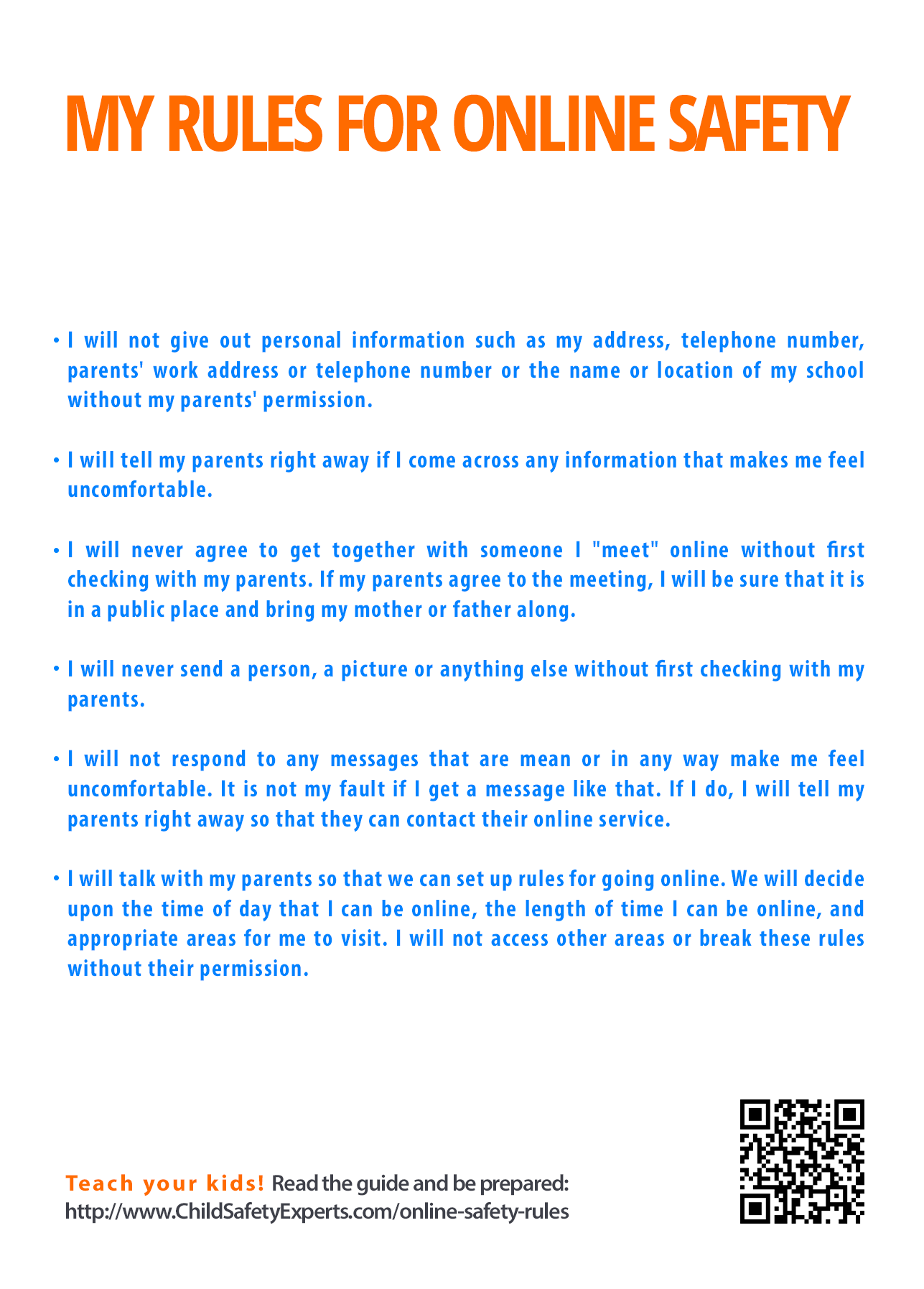
My Rules for Online SafetyOne topic we touched on though which is very personal to me as a father, CIO and Marketing Executive, is that of on-line safety and teaching children the balance of appropriate communication that is safe, and information sharing that is dangerous has proven to be a real challenge.  I am truly grateful for my many years of security awareness and policy training.  Because of my role and career I have expereiences and education most parents don't, & I truly feel for other parents whose children know more about on-line media than they do.  The most important thing you can do is monitor,  watch your children while they are on-line.  Let them drive (use the keyboard and mouse) and educate them on what to watch out for: Pop-ups, forms, etc...
I also highly recommend the Parent Control Bar program.  It is a free program that allows you to restrict internet access to certain websites http://download.cnet.com/ParentalControl-Bar/3000-27064_4-10539075.html
Yes, it's a pain, but it's worth protecting your children.


Here are the show notes for the Podcast:
http://www.servicesphere.com/blog/2010/7/1/itsm-weekly-the-podcast-week-22.html


ITSM Weekly The Podcast (Week 22) from ServiceSphere on Vimeo.


Week 22 Topics:  Episode 2953

Monday, June 14, 2010

ITSM Weekly the Podcast (Week19) Guest: Robert Stroud

Very exciting week for me on ITSM Weekly the Podcast, our special guest was Robert Stroud.

In 2007 when I was working for a CA partner I had the opportunity to meet an individual that really impressed me with his vision of the ITSM market.  I've since seen Robert speak several times and had a chance to have a conversation over lunch at the 2009 ITSMF Academic summit.  He has a great passion for the industry, and does  lot for the community through the membership organizations.
He is also one that has crossed over from technology to marketing, which is my own personal career path.
Please enjoy as I did this weeks podcast with Robert and definitely check out the show notes from ServiceSpehere:
http://www.servicesphere.com/blog/2010/6/13/itsm-weekly-the-podcast-week-19.html

ITSM Weekly The Podcast (Week 19) from ServiceSphere on Vimeo.


Show Hosts:
Christopher Dancy
Matt Beran
Matthew Hooper .


Wednesday, June 9, 2010

ITSM Weekly the Podcast (Week18) Special Monday Edition

This week we spent some time talking about user groups.  HDI, ISACA, ITSMF and SIM (Society of Information Management)

Time is a precious commodity.  It's our single greatest limited resource, and thus we must find ways to make it as valuable to us as possible.  I try to find ways to spend my time so I can have more time.  User groups have been a great way for me to accomplish this.  By getting to know others talents, resources, needs, helps us see how we can accomplish outcomes by leverage.  Chris relates it as NFL , Networking Fun and Learning.

We recorded this weeks podcast on a Monday, and for some reason it caught us a lot more giddy with a little bit of a sensitive side.  Enjoy the podcast and as always tell me what you think we should be covering and how we can improve.

Note: our new podcast editor did not bleep this recording, so there are a few swears in it.

Show notes from www.servicesphere.com
http://www.servicesphere.com/blog/2010/6/8/itsm-weekly-the-podcast-week-18.html


ITSM Weekly The Podcast (Week 18) from ServiceSphere on Vimeo.

Show Hosts:
Christopher Dancy
Matt Beran
Matthew Hooper .


Week 18 Topics:  Episode 1982 (well episode 18)

Tuesday, June 1, 2010

ITSM Weekly the Podcast (Week14) Guest: David Mainville

A few weeks behind this was our podcast from Week of May 10th.

Our special guest for this podcast was David Mainville, CEO and founder of Consulting Portal, a 30 year veteran of IT Service Management.  David brings a great perspective on the industry, and helps clarify the confusion on achieving IT Service Management vs. instrumenting a framework.


ITSM Weekly The Podcast (Week 14) from ServiceSphere on Vimeo.

Show Hosts:
Christopher Dancy
Matt Beran
Matthew Hooper .

Thursday, April 22, 2010

ITSM Weekly the Podcast (Week11)

WOW what a privelege and a treat this weeks podcast.


Malcolm Fry, "founding father" of ITIL as he is known in the industry was our special guest.


Malcolm's insight and inspiration is truly fantastic, and it was a real treat to have him on the show.  He introduces to us "ITIL Light".  Which to be honest, I thought was going be just a chopped approach to ITIL.  Leave out the meaningful stuff and focus on the easy bits.


Well I was wrong.  (enjoy this comment while it lasts, as I'll be deleting it from history)

His approach seems not only logical, but productive.  Though I still questions the CMS phasing and starting point, it really is something I believe any shop no matter their size or level of maturity can start to undertake.

I look forward to finishing the book and sharing it's value with others.

Show Notes by the man Chris Dancy Here:  http://www.servicesphere.com/blog/2010/4/17/itsm-weekly-the-podcast-week-11.html

Thanks again to Matt Beran for his amazing audio editing.


ITSM Weekly The Podcast (Week 11) from ServiceSphere on Vimeo.

Friday, April 9, 2010

ITSM Weekly the Podcast (Week9)

This special week we had the privilege of the famous (or infamous if your a ITSM tools vendor) Rob England.
Known in the twitter and social sphere as The IT Skeptic, I have had the pleasure of interacting with Rob on Twitter, as interviewed by him for the Pink 2010 conference, and met him in person and attended his sessions in Las Vegas 2010 for the 14th annual IT Service Management Conference by Pink Elephant.

It is a great opportunity to hear from the perspective of an expert on services like Rob.  While an admitted techno-phobe ( or should say anti-technology as he doesn't fear but hates it).  Rob brings a great perspective of balance, usability and drives from a control standpoint the need to have governance.

Great job by Chris lining such a guest.  Enjoy!


ITSM Weekly The Podcast (Week 9) from ServiceSphere on Vimeo.

Tuesday, February 9, 2010

Immediate value of a CMS - yes it's possible

Configuration Management Systems (CMS) = VALUE... not for most people.

In fact most IT shops I've spoken to over the past 6 months have abandoned their CMDB/CMS strategies. Why?  ‘No immediate value’ has been their biggest complaint.  They are not seeing the benefits of having the relationships of assets. 
The clear distinction, between the organizations that are moving forward with their CMDB and CMS strategies and those who have thrown in the towel, has been the ability to effectively tie in their visual operations to their CMS. 
These successful organizations are leveraging the relationship information to show which apps are running on which pieces of the infrastructure and are providing a view of this relationship to their 1st and 2nd tier support teams.  Empowered with this information they are finding their troubleshooting process of elimination faster and more efficient. 
As any of us in the support arena know, the work to get systems back on line consists of 80% finding the problem and 20% fixing it.  So armed with this visual aid to help root out and verify the components that are working, the practitioner is closer to finding the one that is not.

So here is my advice if you are on the verge of blowing up your CMDB: 
First: Verify that you have the right grouping.  If your CMDB is grouped by technology, then it will not help Tier1 and Tier2 teams, who are  getting complaints about applications. 
Second: Create a visual element for the application and show logical relationships to the systems that support it.  Link those elements to your existing CMDB for more current and accurately collected data.   

It's by no means the Nirvana that ITIL V3 pictures for us, but it will at least allow you to leverage the work that you have done, and to start making the data and information you have more meaningful and relevant.

Check out these tools for a quick start and easy deployment: 
OpenSource - OneCMDB or BizDiag
Commercial  - NI2or MS Viso

Of course, BSM tools can be leveraged, but they are not going to be quick and easy to deploy.

Special Note: I am doing a weekly Internet Radio show called "ITSM Weekly" with Chris Dancy (ServiceSphere) and Matt Beran (Service Desk Manager).  Please check it out. Would love to hear your feedback.

ITSM Weekly The Podcast Week 1 from ServiceSphere on Vimeo.

Next BLOG - Is ITIL losing its steam?  Seems like the process framework is losing ground in the US; what does that mean?  What will replace it?